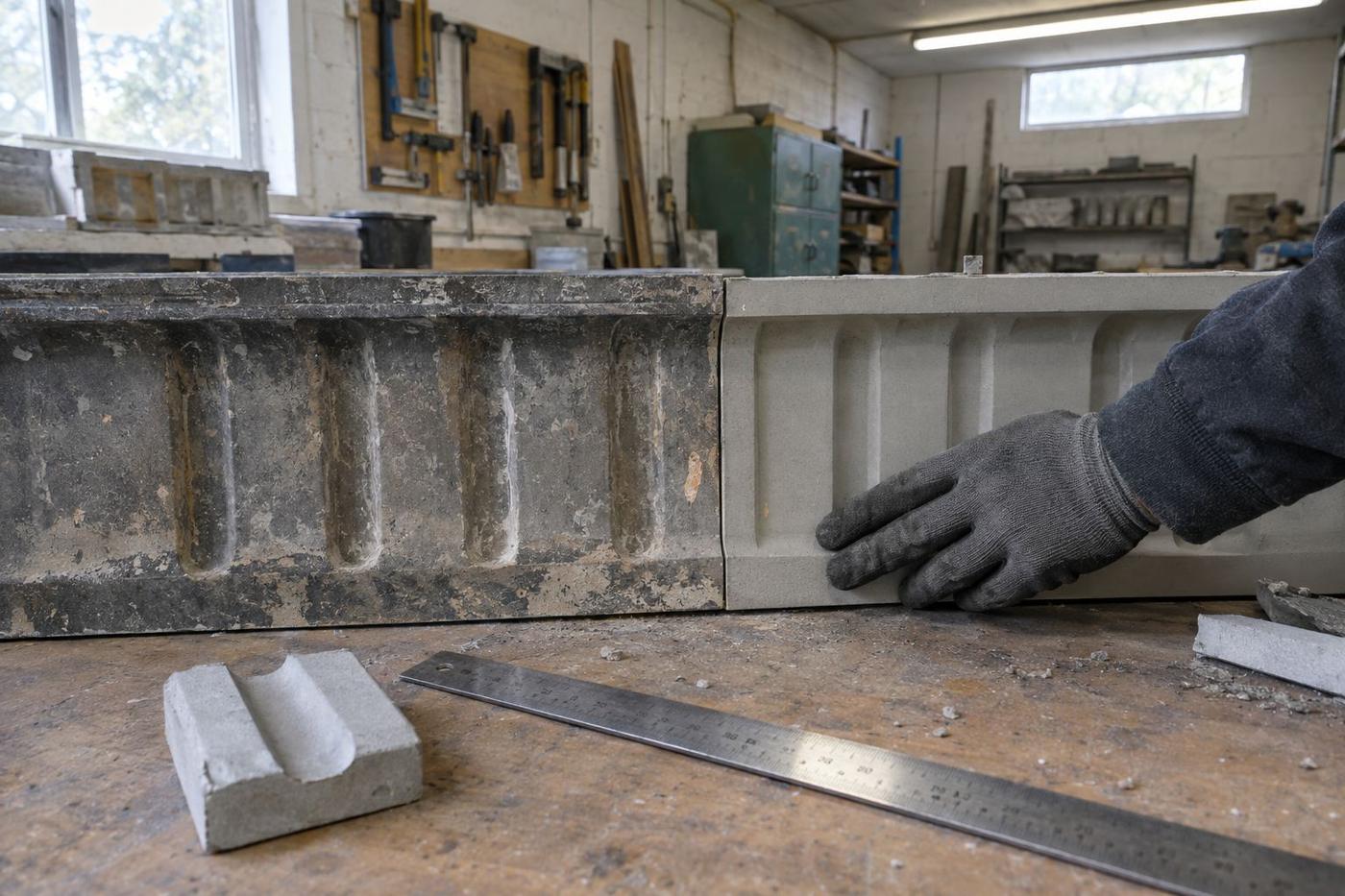
The tool is showing wear you can see
Softening arris, surface grazing, occasional adhesion in demould. About two thirds through projected life is the moment to order the replacement so it's ready when needed.
Replacements · Matched to the original
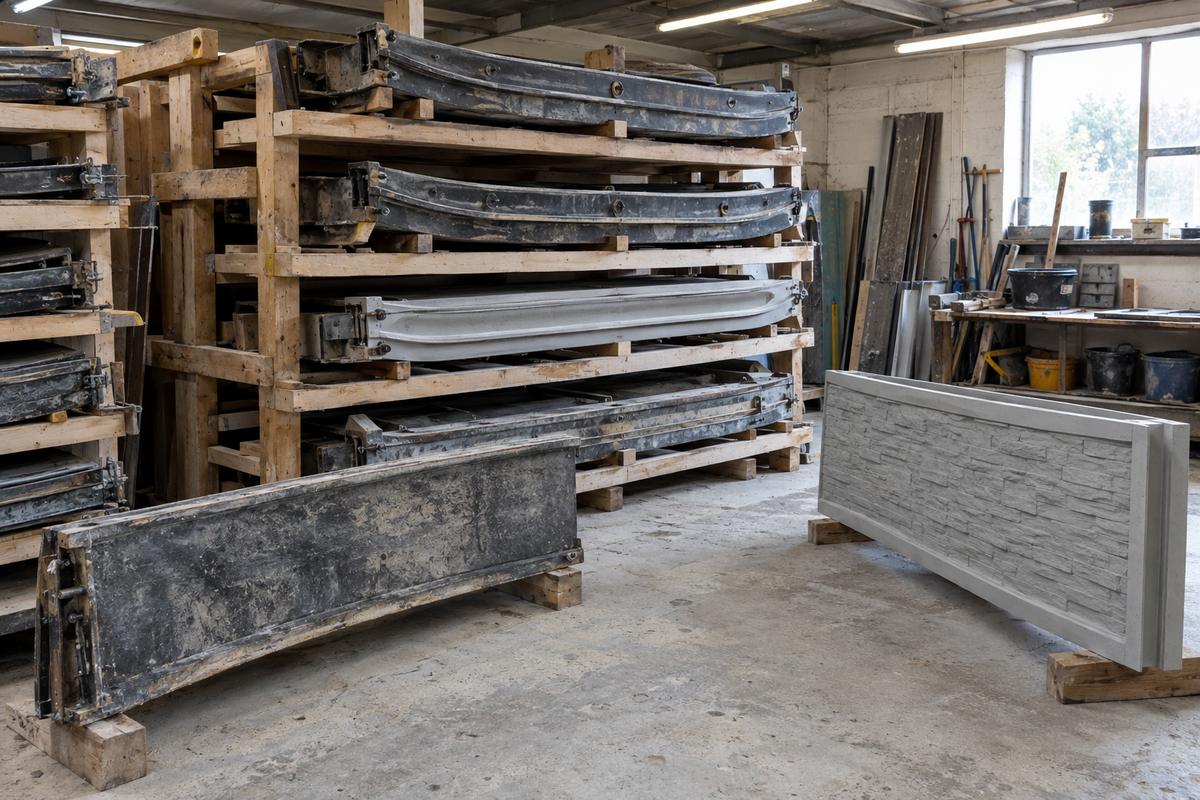
When a formliner or unit mould reaches end of life, the replacement has to match the tool it's replacing. Every drawing, every pattern and every material spec stays on our file — so the next mould is a rebuild, not a re-interpretation.
When it fits
Softening arris, surface grazing, occasional adhesion in demould. About two thirds through projected life is the moment to order the replacement so it's ready when needed.
The tool has done what it was quoted for and there are more panels to pour. Ordering the replacement early avoids a gap in production.
Handling damage, a cut in the silicone, a corner torn. Sometimes repairable, sometimes not — but the replacement is the safest answer.
Adding a parallel bed for a running programme. The new tool matches the current one from the same drawing and pattern.
The choice
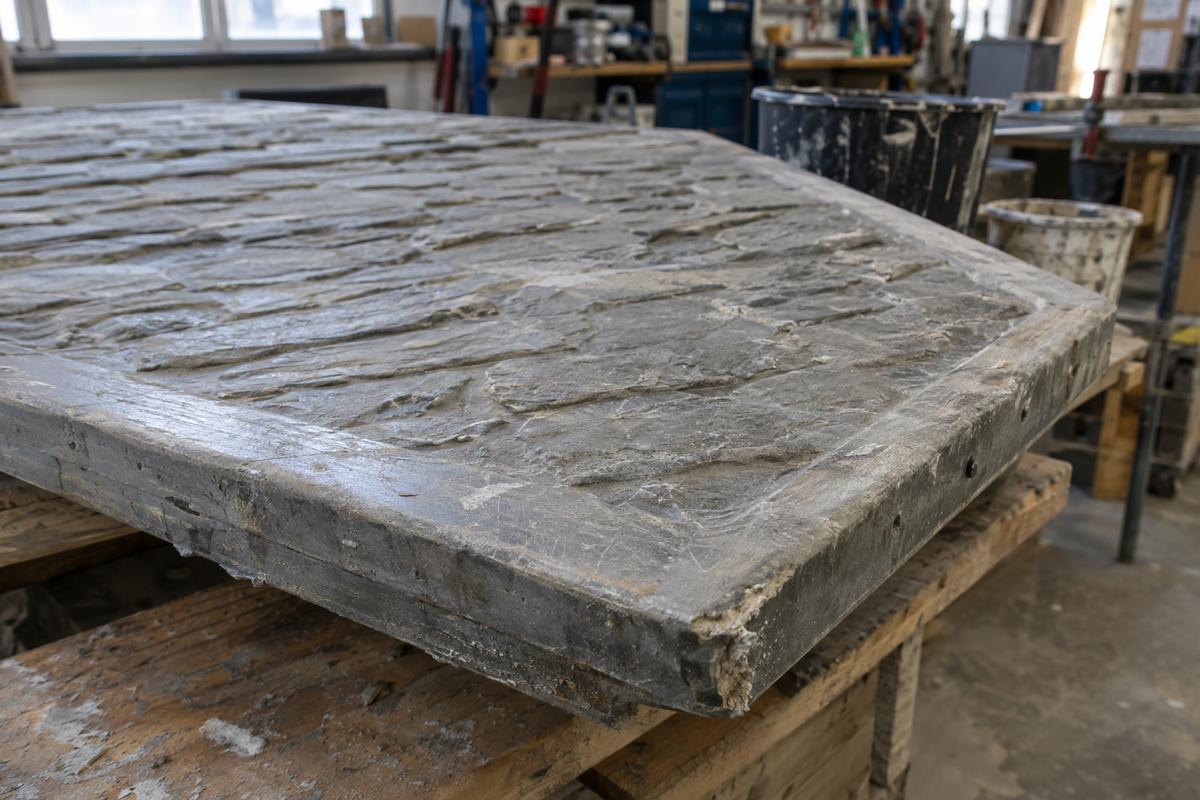
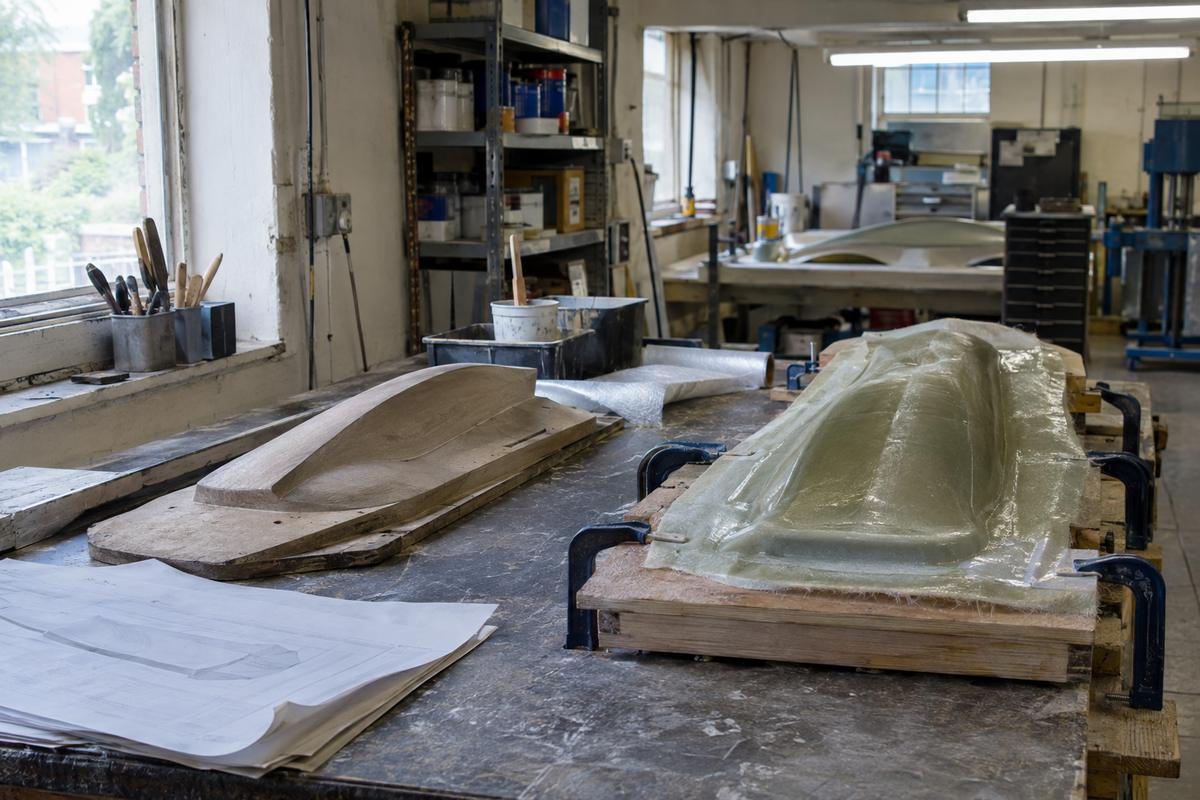
Every tool we make leaves with a documented material spec, a drawing, and a pattern reference. All of that stays on our file after the original tool leaves the workshop. When you order a replacement, we pull the file and build the new tool against the same pattern, in the same material, to the same drawing.
For tools originally built five or more years ago, we'll check the pattern is still in good condition — timber and tooling board patterns can move slightly over time. If it needs rebuilding, we'll say so and quote it separately.
For tools where the original programme has evolved (a new mix, a different release regime, a heavier duty cycle), we'll flag whether the original material spec is still the right choice or whether an updated grade would give you longer life on the replacement.
What we need
Or the year it was made and rough description. We'll find it.
Different mix, new release agent, different bed. Affects material spec on the replacement.
Whether the current tool is still running or already failed determines the priority.
For our records and for recycling of the silicone / polyurethane where possible.
The honest bit
A replacement ordered when the current tool has already failed is a rushed job. A replacement ordered when the current tool is showing wear is a planned job. The two cost the same to make; only one keeps your production running without a gap.
We'll never chase you for a replacement order. We assume you know your programme better than we do, and we assume you'd rather decide the timing yourself. What we will do is note the projected life at delivery and give you an honest way to gauge the remaining life yourself.
For patterns older than five years, we'll re-verify the pattern before building the replacement. Occasionally a pattern needs light rework to restore an edge that has softened; occasionally it needs full rebuilding. We'll tell you which before we quote.
Drill down
Each one has its own page with the detail we'd normally cover on the first call.
Related
At a glance
Where the formliner sits
Swipe to see the whole diagram
Get in touch
One photograph tells us what surface you're chasing, and one line about the mix tells us what silicone or polyurethane will survive it.
Real people, a real workshop
No call centre and no middlemen. When you contact TCI Construction, you speak to the team who design, build and check your mould.


 Thomas LaneManaging Director
 George PrestonDesign & Project Manager
 Kelly BallingerHead of Partnerships
 Jim AndertonProduction Manager
 TheodoreEmployee Welfare