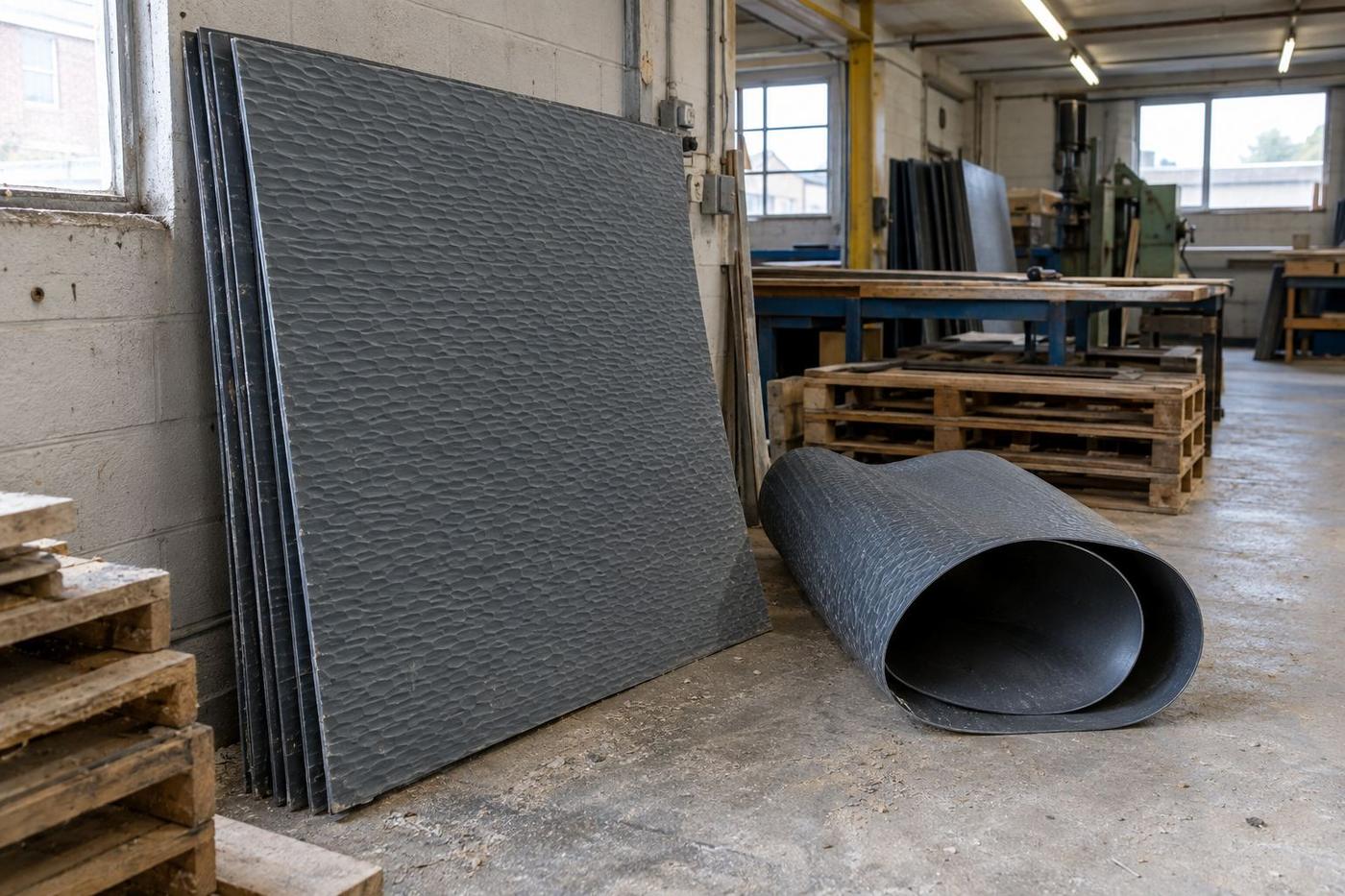
Shallow relief only
Plastic can't release undercuts or deep relief without cracking. Anything more than gentle texture needs an elastomer.
What we make › Silicone & polyurethane formliners › Plastic formliners
Silicone & polyurethane formliners · Plastic formliners
Vacuum-formed ABS and PVC formliners suit shallow, simple textures on low-to-moderate pour counts. We'll tell you honestly when plastic is enough and when an elastomer will pay for itself.
Overview
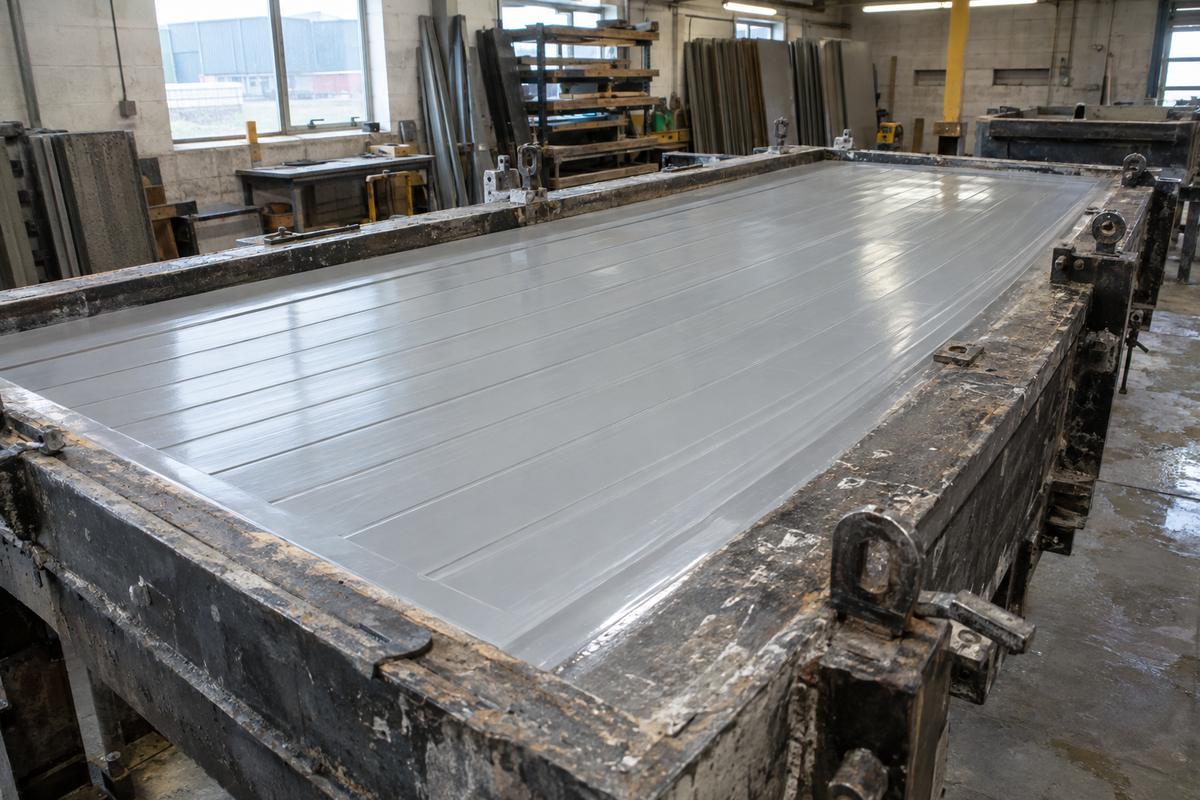
Rigid plastic formliners are thermoformed sheets — cheap to make in quantity, light to handle, and fine for shallow relief with generous draft. They're common on civil jobs where the texture is a board-mark or a simple rib and the pour count is modest.
We don't vacuum-form in-house. What we do is help yards decide whether plastic is right, make the master pattern a plastic liner can be formed from, and build elastomeric liners where plastic won't cope.
What sets it apart
Plastic can't release undercuts or deep relief without cracking. Anything more than gentle texture needs an elastomer.
Rigid liners scuff and crack over repeated use. They're often treated as single-job items.
Every face needs generous draft or the concrete grips the liner on strike.
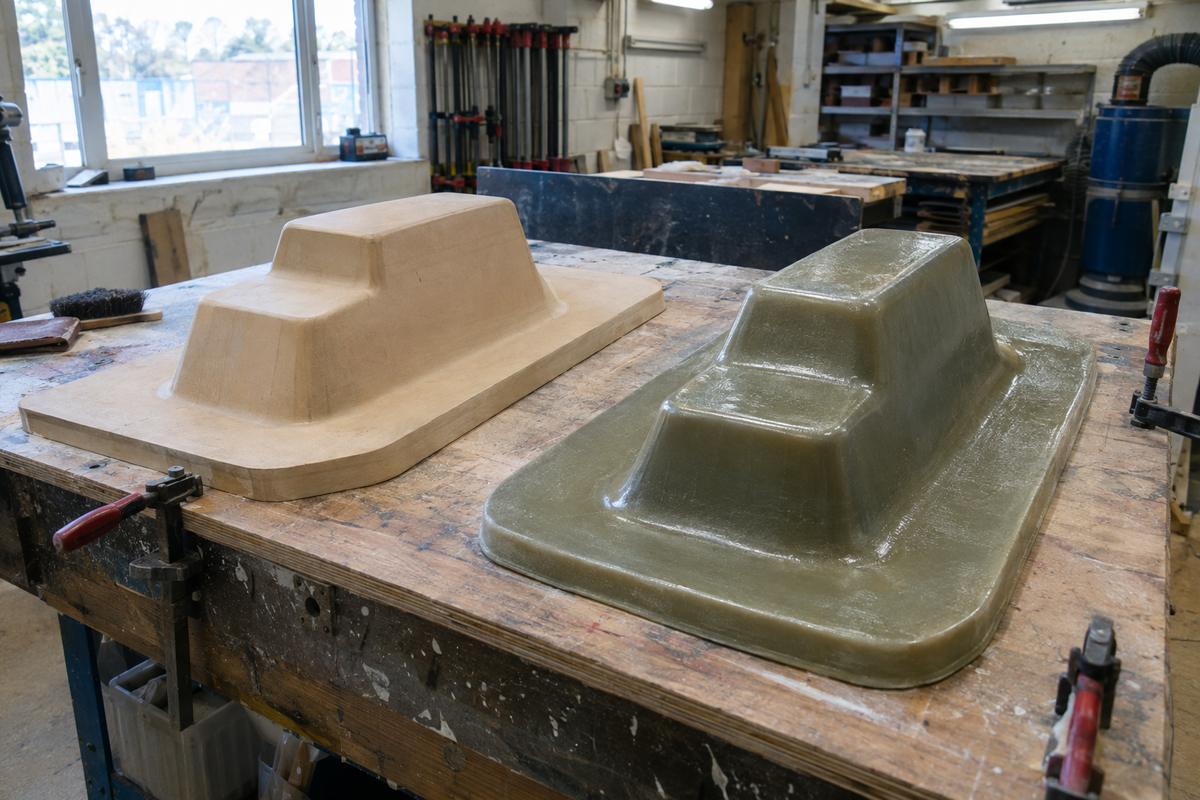
The master pattern can form many plastic sheets, or later pour an elastomeric liner.
How we build it
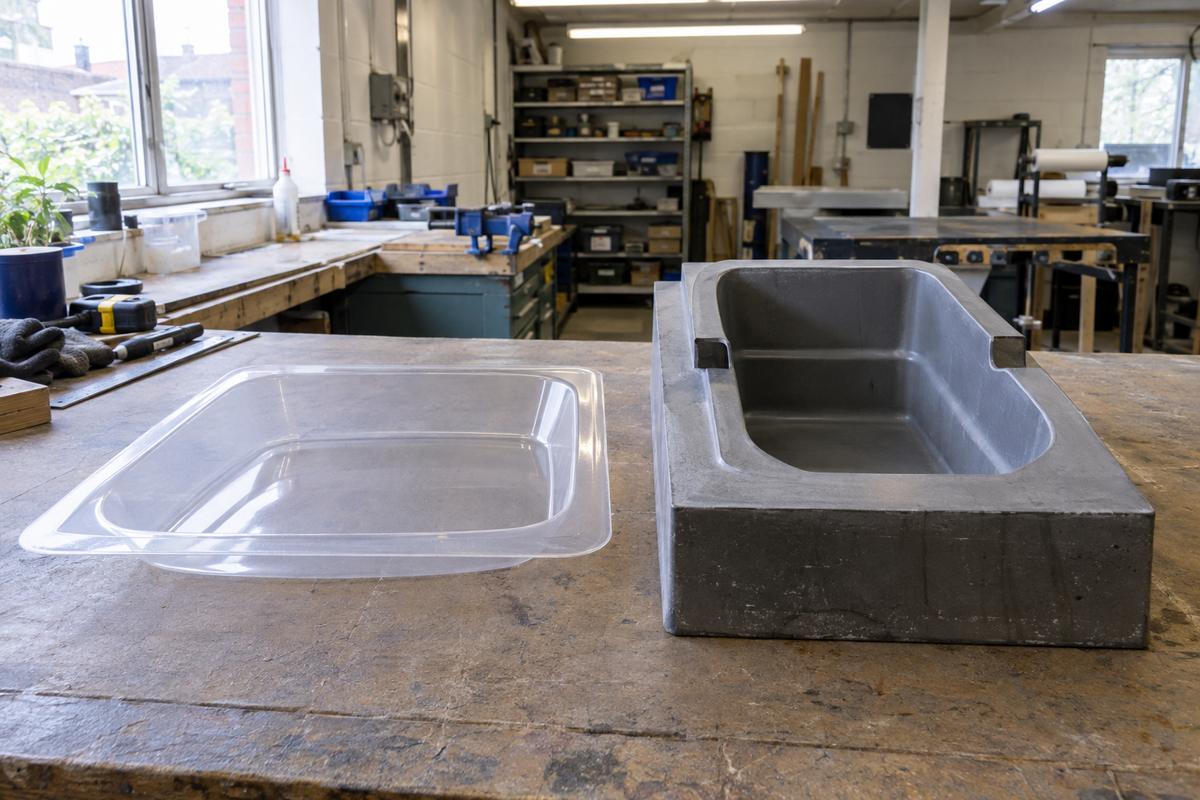
If plastic is right for your job, we'll build a master pattern designed for thermoforming — draft angles, radiused corners and no undercuts — and pass it to a forming partner or your own supplier.
If you want an elastomer instead, the same pattern can usually be used to pour a polyurethane liner. That gives you a clean upgrade path if the programme grows.
The honest bit
Plastic liners are a good answer for the right job, and a false economy for the wrong one. If the texture is deep or the run is long, the replacements add up faster than the saving.
At a glance
Where the formliner sits
Swipe to see the whole diagram
FAQs
We make the master pattern and can arrange forming through a partner, but our own manufacture is silicone and polyurethane.
We'd avoid it. The surface finish differs slightly and can read on the panels.
In this family
Get in touch
One photograph tells us what surface you're chasing, and one line about the mix tells us what silicone or polyurethane will survive it.
Real people, a real workshop
No call centre and no middlemen. When you contact TCI Construction, you speak to the team who design, build and check your mould.


 Thomas LaneManaging Director
 George PrestonDesign & Project Manager
 Kelly BallingerHead of Partnerships
 Jim AndertonProduction Manager
 TheodoreEmployee Welfare